Understanding Complex Search Automation Tools

Every outreach e-mail, possession update, and link render takes a trip with provenance, permitting editors to reuse possessions throughout Understanding Cards, Maps, Copilot prompts, and edge channels while protecting pillar-topic semantics. Full-width governance view: pillar subjects map to localization depth and cross-surface delivery. 3) Develop centralized resource centers per place. A trustworthy regional hub ends up being a recommendation point for editors, increasing the possibility of citations.
As signals surface area through Knowledge Cards, Maps, Copilot prompts, and edge channels, provenance travels with the render, preserving topical integrity across markets. Connect locale-aware rationales, and record translation depth in Per-Locale Ledgers so editors understand local framing.
Center-aligned asset-driven outreach with provenance notes. Attach Render Rationales and Per-Locale Ledgers to every PR reference so provenance travels with signals as protection expands throughout Knowledge Cards, Maps, Copilot prompts, voice surfaces, and AR experiences.
Signals acquire trustworthiness when provenance takes a trip with material across languages and surfaces. Preserve provenance by attaching Render Rationales and Per-Locale Ledgers to every outreach plan, making sure place framing and surface delivery are traceable as signals render through Knowledge Cards, Maps, Copilot triggers, and edge surfaces.
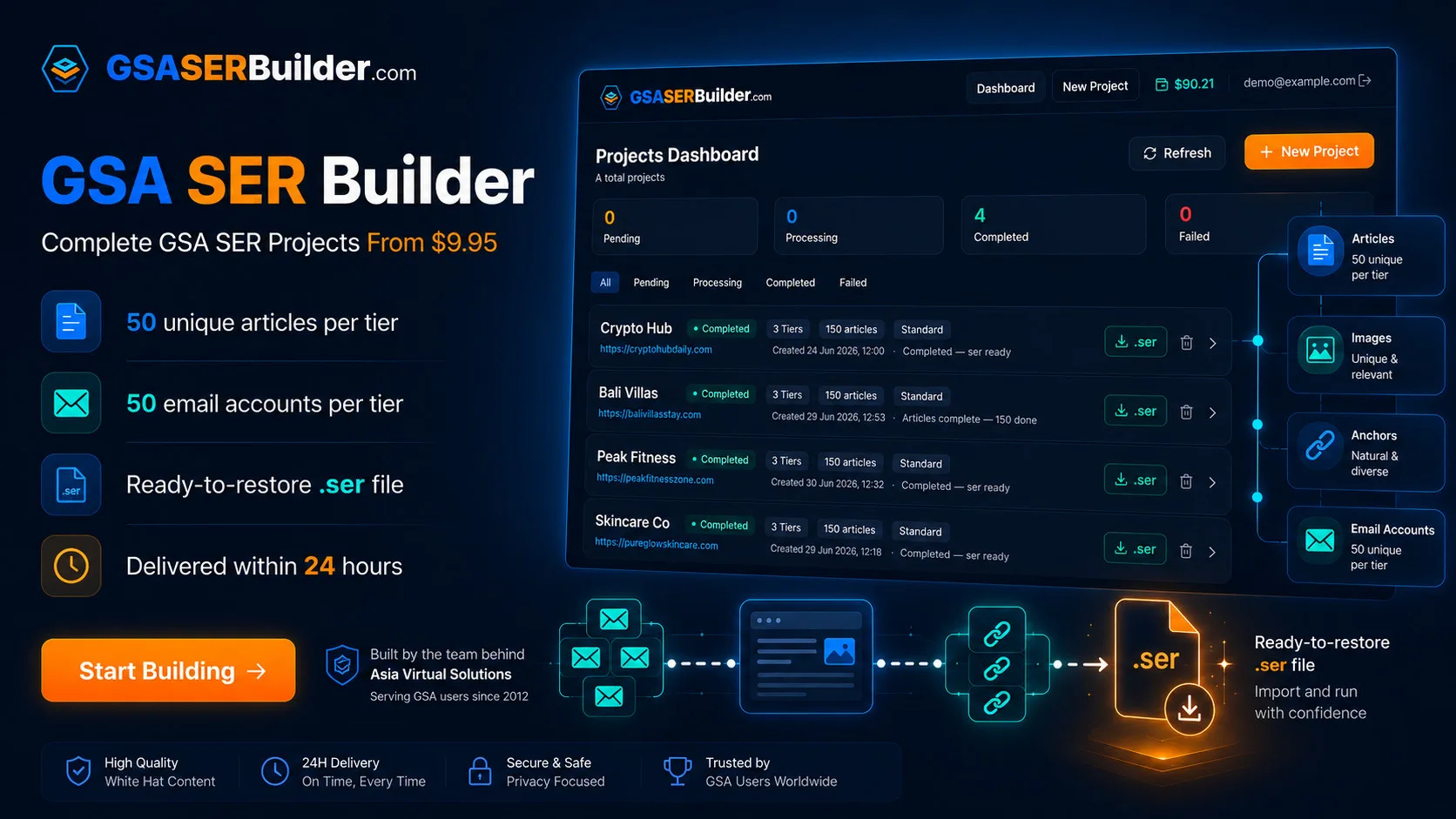
ready to restore .ser file7) Ethical outreach and risk-aware experimentation. Personalization, value-first pitches, and transparent attribution improve acceptance. Constantly connect a Render Reasoning that spells out regional intent and a Per-Locale Ledger with translation notes and surface constraints. This keeps outreach scalable while preserving pillar semantics across surfaces. 8) Measurement-aligned development. Tie outreach activities to pillar-health control panels and locale-depth analyses.
Integrating Data With Automated Workflows
The governance spine takes a trip with material from landing pages to knowledge centers, Maps, Copilot prompts, and edge surface areas, allowing scalable, regulator-ready backlink development. The Growth Techniques section showcases how a governance-driven method equates into scalable, measurable backlink growth. By combining possession quality, localization depth, and cross-surface shipment with Render Rationales and Per-Locale Ledgers, you can maintain signal stability as you expand pillar topics throughout languages and platforms.
A governance-forward backlink program depends on a solid technical spinal column that travels pillar semantics and place provenance with every render. In GSA SER workflows, proxies, captcha solving, and e-mail confirmation should be orchestrated to reduce footprints, maximize precision, and protect regulator-ready provenance throughout Understanding Cards, Maps, Copilot prompts, voice surfaces, and AR experiences.
Secret practical standards: Prefer personal or carefully-managed residential proxies over open proxies. Turn proxies on a tight cadence (e.g., every 815 minutes) to simulate natural user behavior while maintaining pacing that regulators anticipate for auditable signals. Isolate proxies by area to maintain locale depth notes in Per-Locale Ledgers as signals take a trip through Understanding Cards, Maps, Copilot prompts, and edge surface areas.
Proven Tips to Successful Programmatic SEO
The suggested posture is to use high-reliability solvers for critical signals and to keep a fall-back choice to avoid stalled campaigns. When a solver is unavailable, governance notes must record the event and the removal course, preserving audit tracks for all renders that pass through captchas.
Prevent totally free or suspicious services that present reliability or trust threats. File the solver pairings in Render Rationales and Per-Locale Ledgers so regulators can confirm why a specific captcha path was chosen for a locale or surface. Full-width view: captcha, proxies, and verification flow across surfaces. 3) Email confirmation and credential management.
A common best practice is to assign 510 unique emails per project, mixing major companies with self-hosted catch-alls where proper. Turn emails throughout signals and ensure per-email rotation notes are caught in Per-Locale Ledgers. This technique helps maintain high verification success without triggering supplier protections or creating quickly traceable footprints.
Secret useful guidelines: Prefer private or carefully-managed domestic proxies over open proxies. Turn proxies on a tight cadence (e.g., every 815 minutes) to simulate natural user behavior while protecting pacing that regulators expect for auditable signals. Isolate proxies by locale to preserve location depth notes in Per-Locale Ledgers as signals travel through Understanding Cards, Maps, Copilot triggers, and edge surfaces.
Evaluating Custom Template Configurations
2) CAPTCHA fixing strategy. CAPTCHAs are a relentless friction point. Employ a layered technique with main and backup solvers to make the most of resilience without jeopardizing compliance. The advised posture is to utilize high-reliability solvers for important signals and to preserve a fall-back choice to avoid stalled campaigns. When a solver is unavailable, governance notes must record the event and the removal course, protecting audit tracks for all renders that pass through captchas.
ready to restore .ser fileFile the solver pairings in Render Rationales and Per-Locale Ledgers so regulators can confirm why a particular captcha path was chosen for an area or surface. Full-width view: captcha, proxies, and verification circulation across surfaces.
A normal best practice is to assign 510 distinct emails per task, blending major companies with self-hosted catch-alls where proper. Rotate emails across signals and ensure per-email rotation notes are recorded in Per-Locale Ledgers. This method helps preserve high verification success without triggering service provider protections or producing quickly traceable footprints.