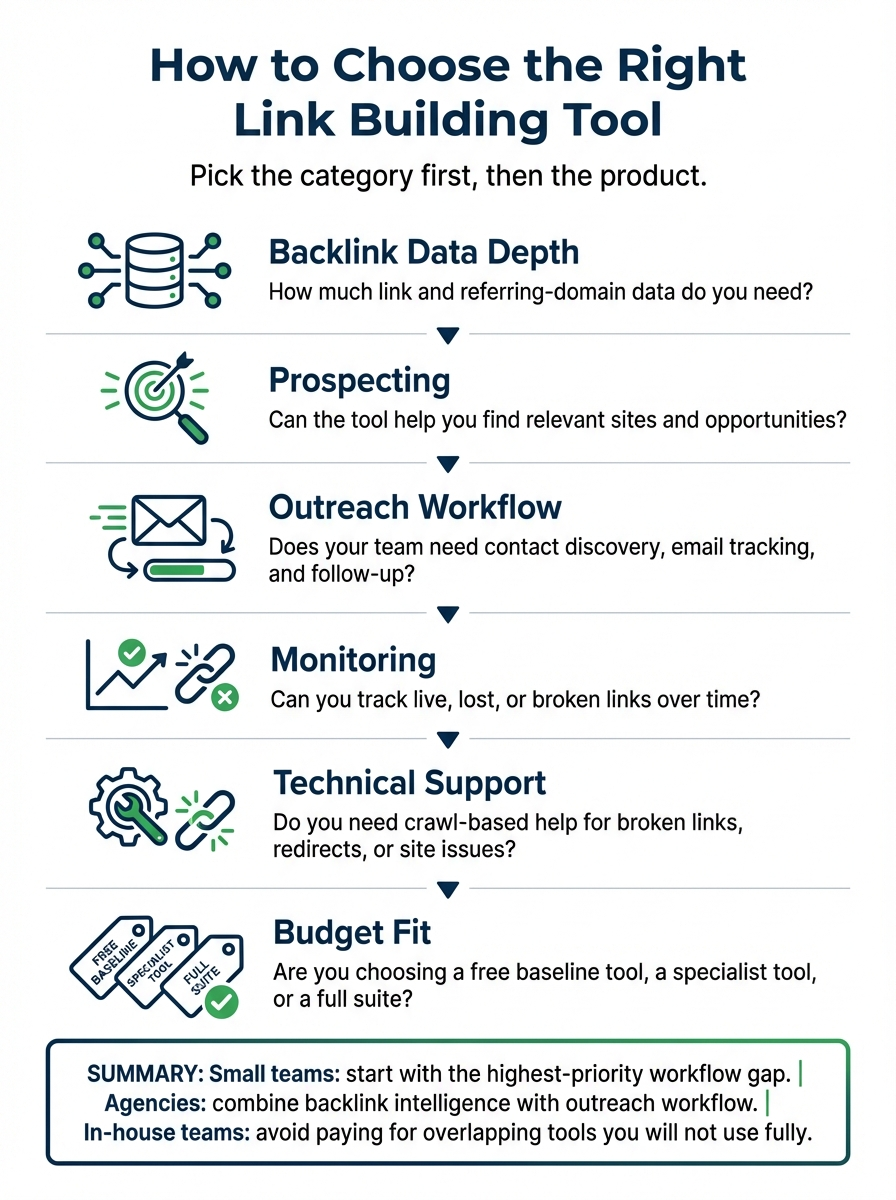
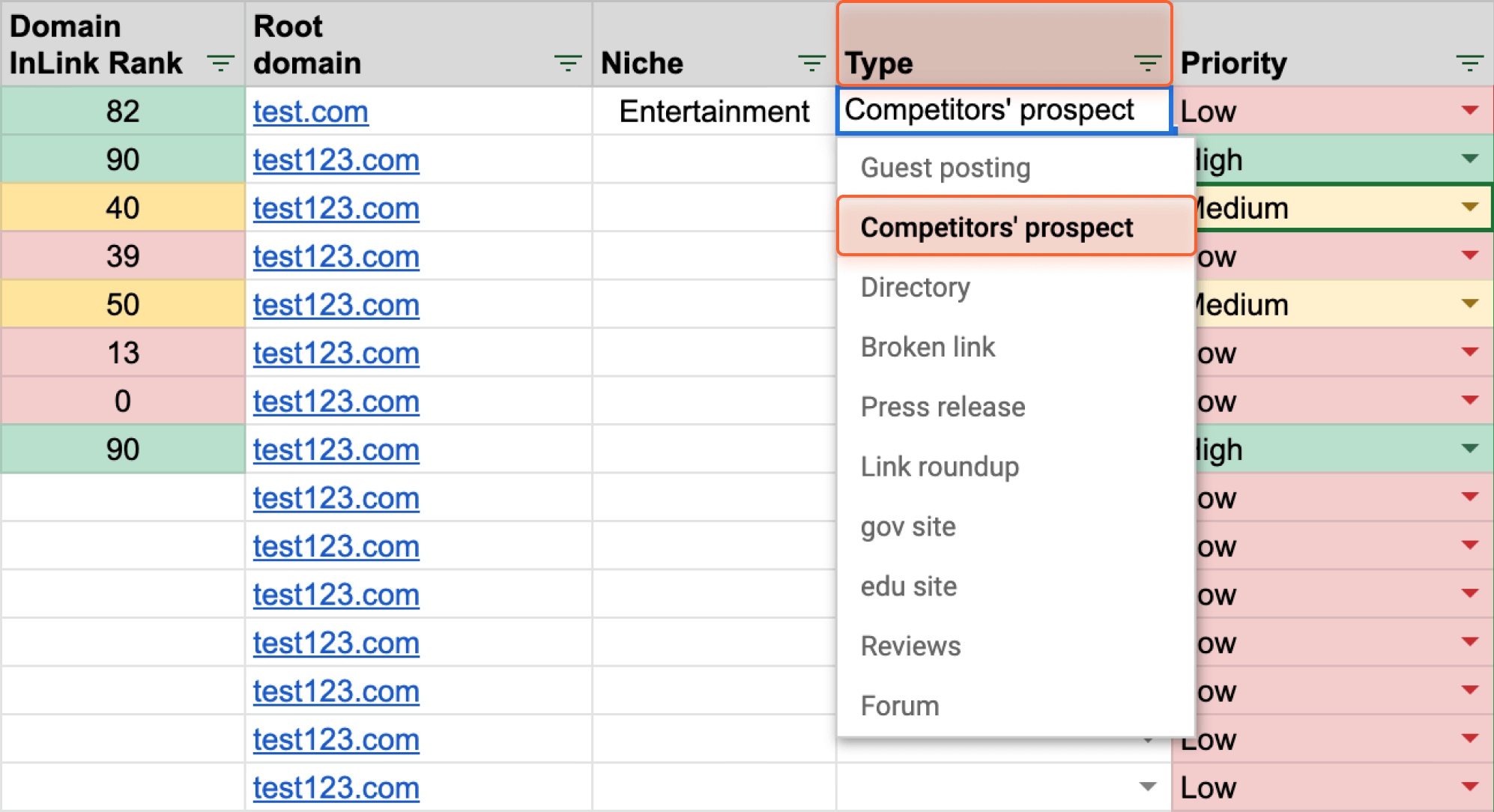
Refining Your Automated Link Generation Process
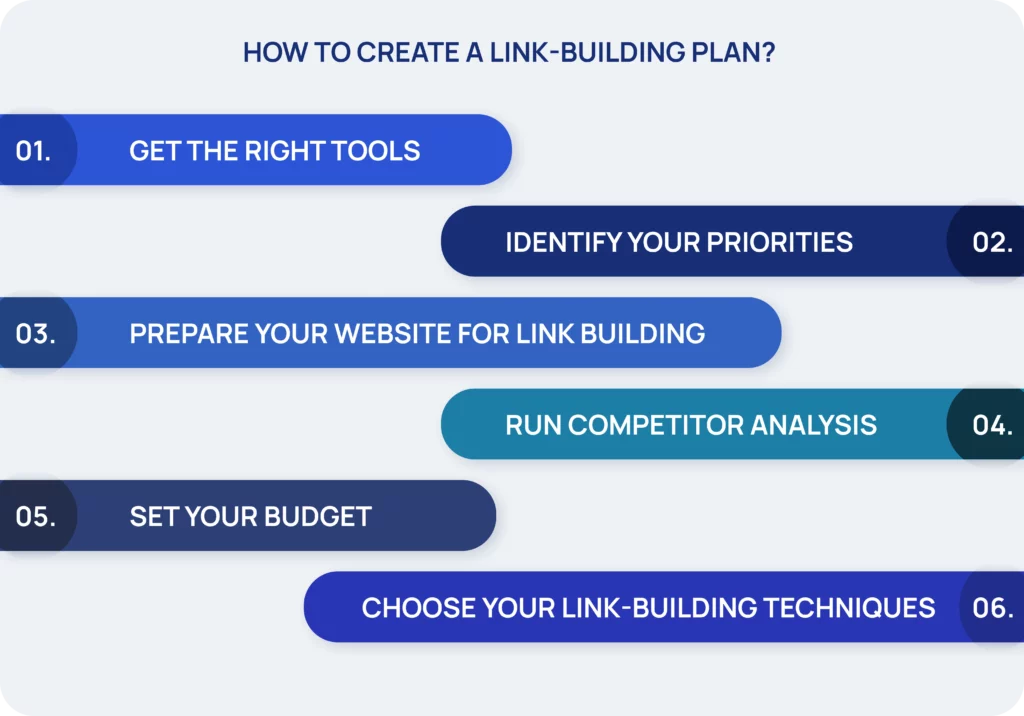
Backlink authority circulation for GSA SER throughout surface areas. What makes GSA SER backlinks distinct is the scale and variety of platforms the tool can target. A single campaign can generate links from blog sites, forums, news-style posts, wikis, and multimedia sites. This breadth provides the capacity for broad topical signals, but it likewise presents threat: not every platform preserves quality or relevance, and a poorly set up project can build up low-grade links that dilute value or trigger charges.
In practice, you'll wish to combine GSA SER activity with a clear pillar-topic map. This guarantees that each backlink render aligns with your central styles, which anchor text, placement, and surrounding content enhance the intended topic in each location. The governance spine from IndexJump assists you preserve semantic stability as signals travel throughout surfaces and languages, decreasing drift and increasing regulator-ready traceability.
Automated signals require disciplined oversight to keep quality. This is where the combination of GSA SER's reach with a governance structure becomes powerful: you increase the breadth of potential placements while guaranteeing every signal brings specific intent, location provenance, and surface context. As you scale, having a centralized spine that travels pillar semanticslike the IndexJump frameworkbecomes essential for consistency across Knowledge Cards, Maps, Copilot triggers, voice surfaces, and AR functions.
Readers must come away with a concrete understanding of the lifecycle of a GSA SER backlink: discovery, positioning, landing-page alignment, and performance assessment, all under a governance umbrella that tape-records intent and localization notes. The next sections in this article will translate these basics into operational playbooks, consisting of how to examine target quality, style anchor methods, and execute scalable measurementwithout sacrificing regulator-ready provenance.
Boosting Project ROI Via Templates
It anchors signals to pillar subjects that matter to your audience and to online search engine. By attaching Render Rationales (the why behind each signal) and Per-Locale Ledgers (the locale-specific context and constraints), you can prove the legitimacy of each backlink render and keep a coherent story as content journeys throughout Understanding Cards, Maps, Copilot triggers, and edge surfaces.
For more on the governance technique and useful alignment with localization, see the external references listed below. The indexation and signal proliferation work explained here are meant to be regulator-ready and scalable. In Part 2, we'll dive into useful principles: what counts as a high-value backlink for GSA SER, how to evaluate referring domains, and how to determine pillar-topic effect throughout locales.
Full-width governance structure: signals, provenance, and localization throughout surface areas. The governance spine is what makes this technique durable: it travels pillar semantics through Understanding Cards, Maps, Copilot prompts, and edge surface areas, preserving semantic stability as you broaden localization depth.
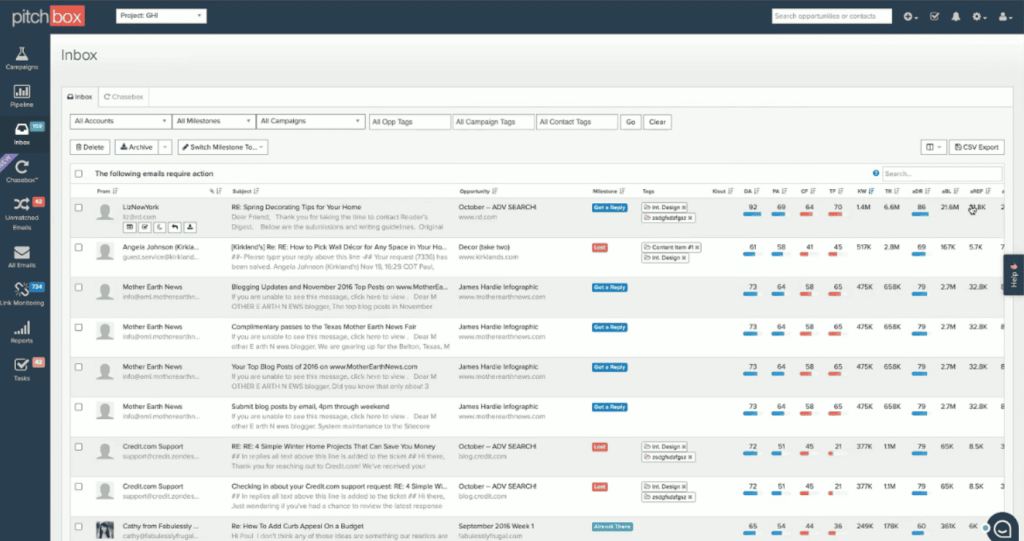
Refining Your Automated Backlink Generation Process
As you plan your initial efforts, consider starting with a little, top quality possession set that exemplifies pillar-topic depth in one place. Attach Render Rationales and Per-Locale Ledgers to every signal, and utilize edge-routing guardrails to ensure delivery reliability across gadgets and surfaces. This disciplined start sets a structure for regulator-ready development as you expand pillar topics and surface reach.
Signals acquire credibility when provenance travels with content across languages and surfaces. Governance ensures every backlink render is explainable and auditable. External point of views on governance and localization provide useful criteria as you craft your own program. Think about evaluations from Search Engine Journal, Think with Google, and industry thought leaders to contextualize signals, localization depth, and measurement practices.
In Part 2, you'll encounter practical basics that translate these ideas into concrete actionsdefining pillar subjects, examining referring domains, and developing a scalable anchor strategy that takes a trip with localization notes and surface-aware delivery. Anchor-text diversity and locale alignment: governance pivot. GSA SER automation expands backlink chances across a broad spectrum of platforms, enabling teams to source, craft, and release signals at scale.
GSA SER project serviceThe goal is not simply to accumulate links, but to weave a meaningful, localization-ready backlink ecosystem that preserves semantic integrity as audiences shift throughout surfaces. Backlink traffic origin: where readers come from and why they click. A core strength of GSA SER is its ability to cast a large web across editorially trustworthy and thematically relevant domains.
Steps for Optimising Link Building Engines in 2026
To balance scale with quality, pair automation with a structure of Render Rationales (the why behind each signal) and Per-Locale Provenance Ledgers (locale-specific context and restrictions). This combination keeps signals interpretable as they render through Knowledge Cards, Maps, Copilot prompts, and edge surfacespreserving pillar-topic authority throughout languages and platforms. A practical takeaway is to see automation as a stimulate that must be guided by pillar semantics.